Rubery Font: A Distressed Sans-Serif for Authentic Design
In a world saturated with sleek, digital perfection, there's a growing hunger for designs that feel real, tangible, and human. We see it in the resurgence of hand-lettering, the popularity of textured backgrounds, and the desire for visuals that tell a story beyond just the words. This is precisely where a typeface like Rubery finds its purpose. It’s not just another font; it’s a tool for adding instant character, grit, and a sense of history to your projects.
Understanding the Rubery Typeface
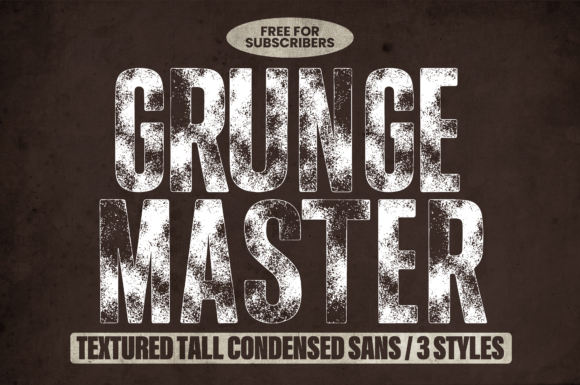
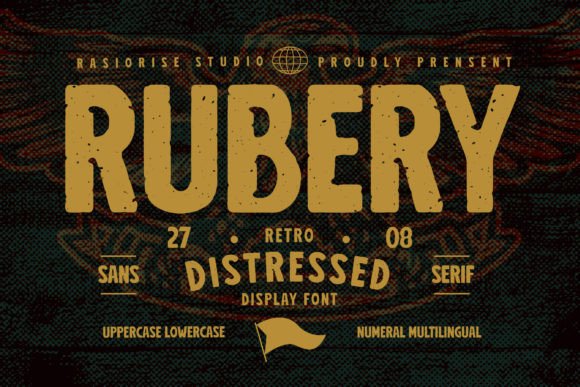
At its core, Rubery is a distressed sans-serif font. Let's break that down. A sans-serif font, like Arial or Helvetica, is clean and modern, characterized by the absence of small strokes (serifs) at the ends of letters. The "distressed" part is what makes Rubery unique. Its letterforms have been intentionally roughened, weathered, and textured to mimic the look of aged print, worn signage, or a grunge aesthetic.
Think of the bold, blocky letters on a vintage truck door that have faded and chipped over decades, or the stencil marks on a shipping crate that have been scuffed and dirtied. Rubery captures that raw, industrial, and authentically weathered look in a digital font you can use with a simple click. It blends the structural clarity of a sans-serif with the visual interest of a texture, giving you the best of both worlds.
Why Choose a Distressed Font Like Rubery?
The appeal of Rubery isn't just about looking "cool." It solves specific design challenges and helps achieve particular communication goals. If you've ever felt that a standard, clean font feels too sterile, corporate, or disconnected for a project, a distressed font provides an immediate solution.
- Creating Authenticity and History: Rubery is perfect for projects that need to convey a sense of heritage, craftsmanship, or ruggedness. It instantly tells the viewer that something has a story, a past, or a hands-on origin. This is invaluable for brands that want to appear more established, artisanal, or connected to traditional skills.
- Adding Visual Texture and Depth: A flat, digital design can sometimes lack life. Using Rubery for headlines or key text elements introduces a layer of texture that makes the entire composition more dynamic and engaging. It prevents designs from feeling sterile or overly "produced."
- Making a Bold, Confident Statement: The rough, bold nature of Rubery demands attention. It’s not a font that whispers; it speaks with a distinct voice. This makes it ideal for situations where you need your message to cut through the noise and leave a strong impression, such as on posters, merchandise, or social media graphics.
Practical Uses for Rubery in Your Projects
So, where does a font like Rubery actually fit in? Its versatility might surprise you. It’s a favorite among creators and professionals who need to inject personality into their work without sacrificing readability for headlines and display text.
Branding and Logo Design
For businesses in craft brewing, outdoor apparel, custom workshops, or artisanal food, Rubery can be a cornerstone of a brand identity. It communicates strength, authenticity, and a no-nonsense attitude. Imagine it on a logo for a local coffee roaster or a tattoo studio—it immediately sets a specific, powerful tone.
Digital Content and Social Media
Bloggers, marketers, and content creators can use Rubery to create standout featured images, YouTube thumbnails, or Instagram story graphics. Its textured look grabs the eye in a fast-scrolling feed, helping your content get noticed. It’s particularly effective for content related to DIY projects, vintage style, music, or any topic that benefits from a less-polished, more genuine aesthetic.
Merchandise and Print
This is where Rubery truly shines. It’s built for products. T-shirt designs, tote bags, posters, and stickers all benefit immensely from its distressed character. The texture helps the printed design look integrated with the fabric or paper, rather than just sitting on top of it. It gives merchandise a premium, worn-in feel from the start.
Educational and Personal Projects
Educators creating materials for history, art, or literature might use Rubery to evoke a specific era or style on handouts and presentations. For personal projects like scrapbooking, family reunion invitations, or a blog about restoring classic cars, it adds a layer of nostalgic charm and personality.
Important Considerations Before Using Rubery
While Rubery is a fantastic tool, it’s important to use it thoughtfully to ensure it enhances, rather than hinders, your design. Here are a few key points to keep in mind:
- Legibility at Small Sizes: The very texture that gives Rubery its charm can become a liability at very small sizes, like in body text or detailed captions. The distressed edges might blur together, making words hard to read. It’s best used for headlines, titles, logos, and other display purposes where it can be shown at a larger size.
- Context is Everything: Rubery has a strong personality. Using it for a children's birthday party invitation or a luxury spa's branding might create a mismatch. Always consider if its rugged, industrial, or vintage feel aligns with the message and audience of your project.
- Pairing with Other Fonts: To create a balanced and readable design, pair Rubery with a cleaner, simpler font. Use Rubery for your main headline to grab attention, and then use a neutral sans-serif like Open Sans or Lato for your body text. This contrast creates visual hierarchy and ensures your overall message is clear.
- Licensing and Usage: Before downloading and using any font, including Rubery, always check its license. Understand if it’s free for personal use, commercial use, or both. Respecting font licenses is crucial for both legal and ethical reasons, supporting the designers who create these valuable tools.
Embracing the Raw and Real
Rubery represents a shift in design thinking—a move away from sterile perfection and toward embracing the beauty of imperfection, texture, and history. It’s a font that doesn’t just display words; it adds a layer of meaning and feeling to them. Whether you’re a small business owner building a brand, a marketer crafting a campaign, or a hobbyist working on a personal project, exploring a distressed sans-serif like Rubery can open up new creative possibilities. It’s a reminder that sometimes, the most powerful communication comes from a place that feels genuinely human, weathered, and real.